
Salt Lake City Weather: A Year-Round Guide
Considering a move to Salt Lake City but concerned about the weather? This comprehensive guide will break down what you can expect from each season in this beautiful Utah city.
Considering a move to Salt Lake City but concerned about the weather? This comprehensive guide will break down what you can expect from each season in this beautiful Utah city, helping you make an informed decision about your potential relocation.
Introduction to Salt Lake City's Weather
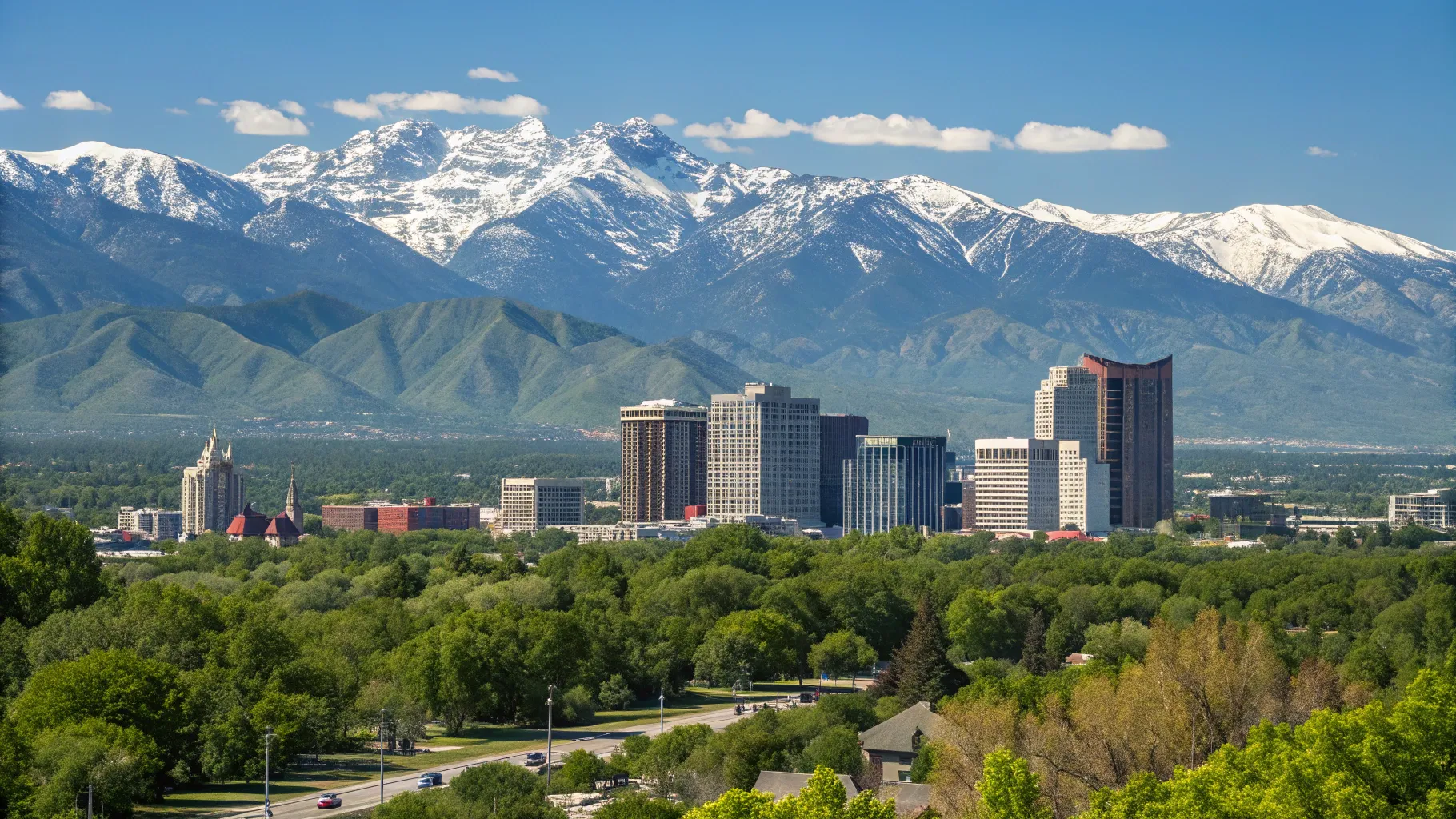
Salt Lake City's climate is shaped by two main features: elevation (4,300 ft in the valley, 11,000+ ft in the surrounding Wasatch peaks) and the Great Salt Lake, which fuels the lake-effect snow that built Utah's "Greatest Snow on Earth" reputation. The city gets four distinct seasons — hot dry summers, snowy mountain winters, mild springs and falls — without the humidity that makes hot weather miserable in other parts of the country. This guide will help you navigate through the seasonal variations, providing insights into what you can expect throughout the year. From hot summers to snowy winters, each season presents an opportunity to explore the local landscape and enjoy outdoor adventures.
Summer: Embracing the Heat
Summer in Salt Lake City runs late June through early September. Temperatures push into the high 80s and 90s with regular 100°F-plus stretches in July and August — but humidity stays around 25%, which makes the heat far less oppressive than the same temperatures feel in Houston, Phoenix, or DC. Late-summer monsoon thunderstorms roll in most afternoons from mid-July through August, dropping the temperature 15-20°F quickly and putting on dramatic lightning shows over the Wasatch. Early mornings are pleasantly cool, usually hovering around the 60s, which is perfect for early risers looking to enjoy outdoor activities before the heat of the day kicks in.
As the sun sets, temperatures drop significantly, allowing for enjoyable evenings spent outdoors. Popular summer activities include hiking in the nearby Wasatch Mountains, enjoying picnics in Liberty Park, or attending local events like the Salt Lake City Arts Festival. For those considering a home in the area, the summer months can be an ideal time to explore neighborhoods and visit open houses, as the longer daylight hours allow for more flexibility in scheduling visits.
Fall: A Colorful Transition
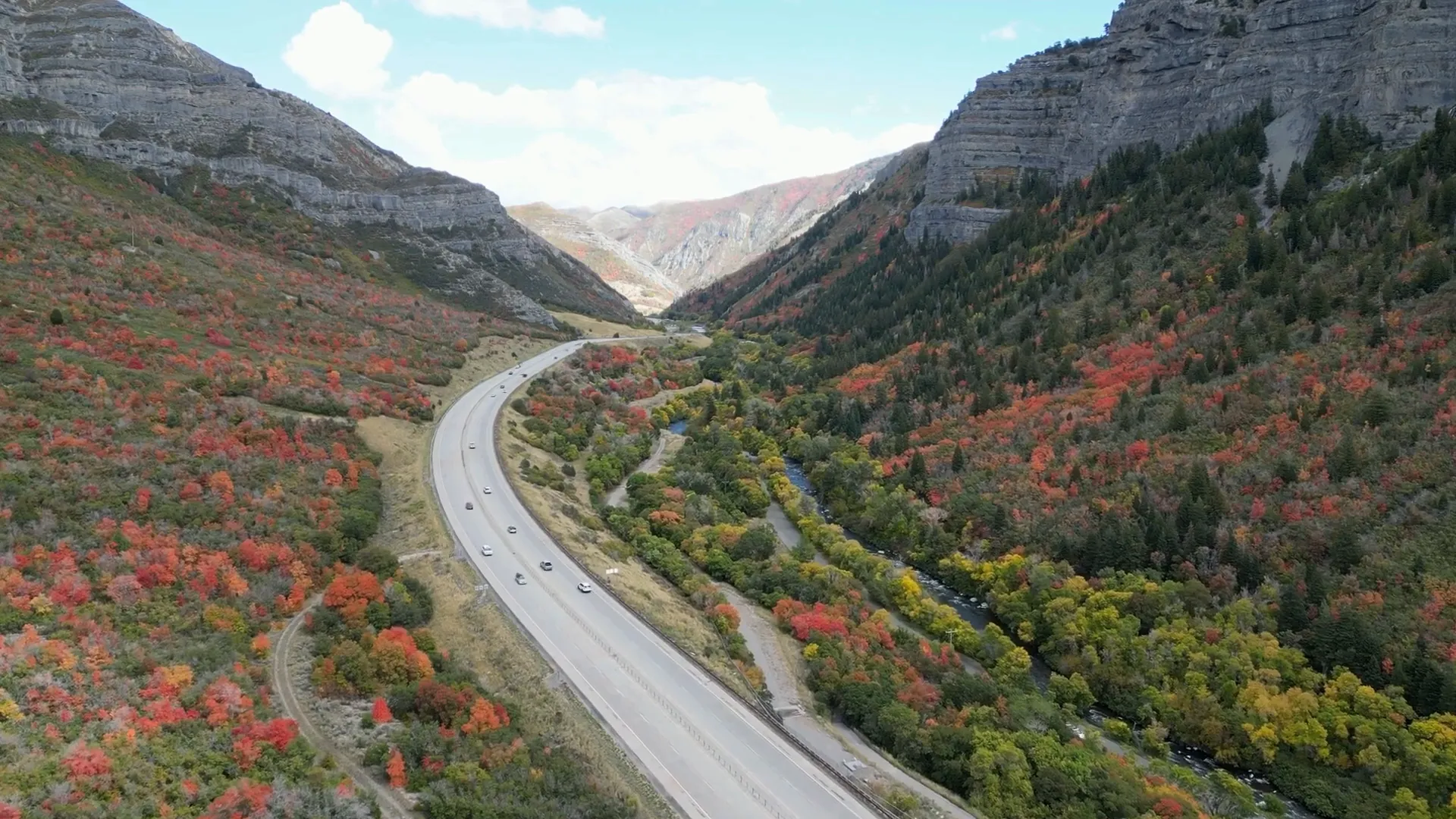
Fall in Salt Lake City runs late September through late November. The maple groves in the Cottonwoods and along Wasatch Boulevard turn orange and red around mid-October, with peak color usually in the last week of the month. Big Cottonwood and Mill Creek canyons are the most-photographed fall drives. During this time, temperatures gradually cool, with daytime highs averaging in the 60s to low 70s, while nighttime temperatures can drop to the 30s and 40s. This transition period often brings crisp mornings and pleasantly warm afternoons, making it a great time for outdoor activities such as hiking, apple picking, or enjoying scenic drives through the canyons.
Autumn also heralds the start of the ski season, as many ski resorts begin to prepare for winter. While the first snowfall typically occurs around Halloween, it is usually light and does not stick. However, this is a perfect time to start thinking about winter sports and planning trips to the nearby mountains. For those interested in real estate, fall is an excellent time to evaluate properties, as the market often sees a slight slowdown, giving buyers more leverage in negotiations.
Winter: A Snowy Wonderland
Winter in Salt Lake City runs late November through March. Valley temperatures sit in the 30s and low 40s by day, dipping into the 20s at night. Snow totals in the city are modest (~55 inches/year on average), but the mountains get the real product — Alta and Snowbird in Little Cottonwood Canyon average 500+ inches per year, making them two of the snowiest resorts in North America. Brighton and Solitude in Big Cottonwood Canyon are close behind. Add Park City Mountain and Deer Valley in Park City, and there are nine major ski resorts within a 60-minute drive of downtown.
Many locals embrace winter through skiing, snowboarding, snowshoeing, and ice fishing. The holiday season brings the Festival of Trees and Salt Lake City Christmas Market. The one winter caveat newcomers should know about: inversions. Cold high-pressure systems trap valley air for stretches in January and February, and PM2.5 spikes during these events make air quality genuinely poor for a week or two each winter. East-bench and foothill neighborhoods sit above the inversion layer; west-side and valley-floor blocks feel it the worst.
Spring: Nature's Reawakening
Spring in Salt Lake City is a time of renewal and growth, as the city shakes off the winter chill and welcomes warmer weather. The season typically spans from March to June, with temperatures gradually rising from the 40s to the 70s. Early spring can still be unpredictable, with occasional snow showers, but by late April, the landscape begins to bloom with colorful flowers and budding trees.
This season is ideal for gardening enthusiasts, as the risk of frost diminishes after Mother's Day. Residents often take advantage of the warming weather by engaging in outdoor activities such as hiking, biking, and visiting local farmers' markets. For potential homebuyers, spring offers a bustling real estate market, making it an excellent time to explore available properties and take advantage of the inventory before the summer rush.
In conclusion, each season in Salt Lake City brings its own unique experiences and opportunities for residents and visitors alike. Understanding the weather patterns throughout the year can help you make informed decisions about relocating to this beautiful city. Whether you're drawn to the summer heat, the colorful fall foliage, the snowy winter slopes, or the blooming spring landscapes, Salt Lake City offers something for everyone.
For more on what life in Salt Lake City actually costs and the broader tradeoffs of relocating: Cost of Living in Salt Lake City and Pros and Cons of Living in Salt Lake City. For neighborhood-by-neighborhood guidance on where the inversion layer + east-bench sun matter most, see our SLC neighborhoods guide.
The Impact of Elevation on Weather
Utah's unique topography significantly influences its weather patterns, particularly in areas like Salt Lake City. The city itself sits at an elevation of approximately 4,300 feet, while the surrounding mountains soar to heights exceeding 11,000 feet. This elevation creates a diverse climate, where temperatures can vary drastically between the valley and the peaks. For instance, while the valley may experience a warm summer day, the mountains can be much cooler, often requiring jackets even in the height of summer.
As winter approaches, the elevation becomes even more critical. The snow that blankets the mountains can lead to an increase in ski tourism, as resorts capitalize on the abundant snowfall. Conversely, the valley may see less accumulation, creating a stark contrast in winter activities available. Homebuyers considering properties near the mountains should be prepared for these variations in weather, as higher elevations can lead to longer winters and cooler temperatures year-round.
Humidity Levels: What to Expect
One of the most notable aspects of Utah's climate, particularly in Salt Lake City, is its low humidity. The average humidity levels hover around 30% to 50%, which is significantly lower than many other states. This dry climate can make the summer heat feel more bearable, as the absence of moisture reduces the muggy sensation often associated with high temperatures elsewhere. Residents often remark that even on the hottest days, the dry air allows them to enjoy outdoor activities comfortably.
However, the low humidity can also lead to dry skin and other health issues, particularly during the winter months when the air is even drier. It's essential for newcomers to be aware of this and consider investing in humidifiers or skincare products to combat dryness. Understanding how humidity impacts comfort and health can help residents adapt more easily to their new environment.
Comparative Weather: Salt Lake City vs. Other Regions
When comparing Salt Lake City's weather to other regions, the differences are striking. For example, cities like Denver and Phoenix experience more extreme temperature fluctuations, with Denver often facing harsher winters and Phoenix enduring scorching summers with higher humidity levels. Salt Lake City offers a more moderate climate, making it an attractive option for those who want to enjoy all four seasons without the extremes found in some neighboring states.
In contrast, coastal cities like San Diego benefit from a Mediterranean climate, characterized by mild, wet winters and dry summers. While these locations offer pleasant weather year-round, they often lack the seasonal changes that many Utah residents cherish. This distinction is important for potential movers to consider, as it can influence lifestyle choices, outdoor activities, and overall enjoyment of the area.
Planning Your Move: Weather Considerations
If you're planning a move to Salt Lake City, understanding the weather is crucial for a smooth transition. First, consider your preferred activities and how they align with the seasons. For outdoor enthusiasts, summer and winter provide ample opportunities for hiking, skiing, and exploring the natural beauty of Utah. If you're keen on gardening or outdoor events, spring is an ideal time to settle in, as you'll witness the blooming landscape and have the chance to participate in local festivals.
Additionally, it's wise to prepare for the transitional periods between seasons. Fall can be particularly beautiful, but it also brings unpredictable weather, including early snowfalls. Investing in appropriate clothing and gear for each season is essential. If you're moving from a warmer climate, plan for the winter gear (snow shovels, ice scrapers, a real winter coat) and consider weather-aware questions when looking at homes: which direction the driveway faces, whether the lot is above or below the typical inversion layer, and how exposed the roof is to wind off the Wasatch.
Considering a move to Salt Lake City?
Three next steps if SLC is on your shortlist:
- Salt Lake City market stats — median sale, days on market, sale-to-list ratio, refreshed monthly.
- Get a free home valuation on your current home so you know what to expect.
- Reach out to Best Utah Real Estate — our agents can match you to a neighborhood that fits your weather priorities (sun exposure, foothill access, inversion-aware blocks).
Posted by Kristopher Larson
Frequently asked questions
What is the best time of year to move to Salt Lake City?
How much snow does Salt Lake City get?
What is the Salt Lake City inversion and how bad is it?
How does Salt Lake City weather compare to Denver or Phoenix?
Does weather affect Salt Lake City home prices?
Should homebuyers consider weather when shopping in Salt Lake City?
Salt Lake City, Utah housing market
A quick read on what homes are doing in Salt Lake City right now — pulled live from the MLS.
Keep reading
More from the blog
Moving to Salt Lake City: How to Choose the Right Utah Area
Living in Salt Lake City, Utah: What to Know Before Moving
Why Yard Sign Size Matters For Your Salt Lake City Listing