Transforming Salt Lake City: Major Changes Ahead by 2034
Salt Lake City is on the brink of a monumental transformation as it gears up for the 2034 Winter Olympics and beyond. With new infrastructure, a booming skyline, and an influx of residents, this city
Salt Lake City is on the brink of a monumental transformation as it gears up for the 2034 Winter Olympics and beyond. With new infrastructure, a booming skyline, and an influx of residents, this city is evolving rapidly. Whether you're a current resident or considering a move, understanding these changes is crucial for navigating the future of Salt Lake City.
Introduction to Salt Lake City's Transformation
Salt Lake City is undergoing a remarkable transformation, and much of the momentum stems from the upcoming 2034 Winter Olympics. The city has experienced significant growth in its infrastructure and population, making it one of the country's fastest-growing metros. With new sports teams, towering skyscrapers, and enhanced public transportation, Salt Lake City is not just evolving; it's redefining itself as a major player on the national stage.
As we look ahead to the next decade, understanding the implications of these changes is vital for anyone considering a move or investment in the area. The excitement surrounding the Olympics is palpable, but it also raises questions about how this influx of attention will impact the housing market, local economy, and the lifestyle of current residents.
The Impact of the 2034 Winter Olympics
The 2034 Winter Olympics are poised to be a catalyst for unprecedented growth in Salt Lake City. The last time the city hosted the Winter Games in 2002, it marked a pivotal moment that showcased Utah's capabilities and beauty to the world. This upcoming event promises to bring even more significant economic and infrastructural advancements. With an estimated economic boost of $6 to $7 billion from tourism and global attention, the benefits are expected to ripple throughout the entire state.
However, the Olympics are not merely about the games; they represent an extensive investment in infrastructure that will benefit the community long after the closing ceremony. New venues, improved public transit systems, and upgraded facilities will enhance the city’s appeal. Furthermore, this event will likely attract international businesses and investors, solidifying Salt Lake City’s status as a desirable location for relocation and investment.
Historical Context: The 2002 Winter Olympics
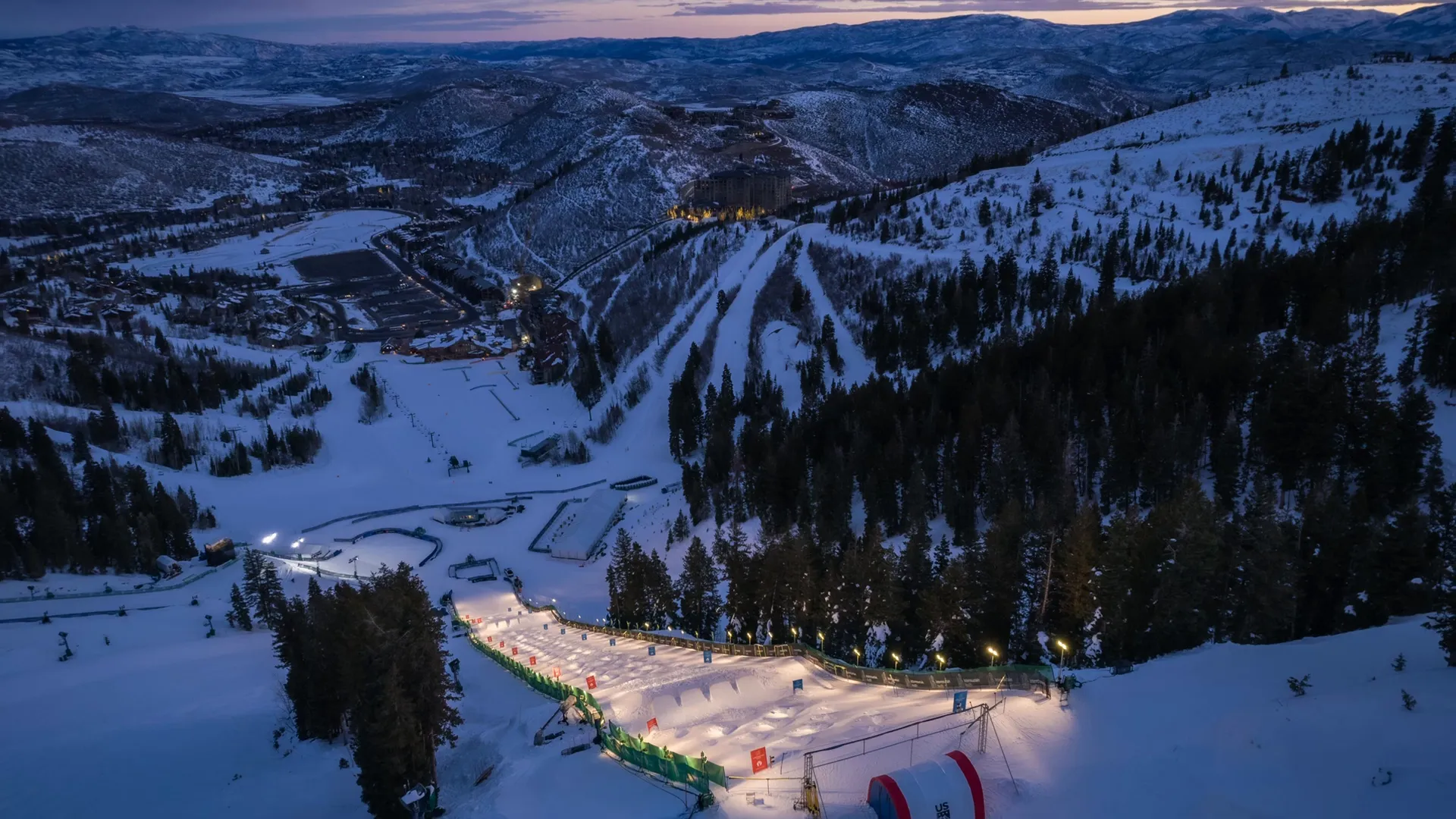
The 2002 Winter Olympics were a defining moment for Salt Lake City, setting a high standard for future events. Despite the initial controversies surrounding the bidding process, the games were executed flawlessly, showcasing the city's ability to host large-scale international events. The legacy of the 2002 Olympics is evident in the well-maintained venues that continue to serve the community today.
As Salt Lake City prepares for the 2034 games, lessons learned from 2002 will inform planning and execution. The emphasis on sustainable development and responsible investment will ensure that the infrastructure built for the Olympics will provide ongoing benefits, rather than becoming underutilized post-event. This historical context serves as a reminder of the potential for growth and transformation when a city successfully hosts the Olympics.
Economic Boost from the Olympics
The economic implications of hosting the Winter Olympics extend far beyond the immediate influx of visitors. With projections estimating a $6 to $7 billion boost to the local economy, the games will create new jobs, stimulate local businesses, and enhance tourism. This surge in economic activity will lead to increased demand for housing, particularly in areas close to Olympic venues and events.
Moreover, the spotlight on Salt Lake City will likely attract national and international companies looking to invest or expand in the region. As businesses flock to the area, the demand for commercial real estate will rise, further driving up housing prices and rental rates. While this growth presents exciting opportunities, it also raises concerns about affordability and accessibility for current residents.
Housing Market Implications
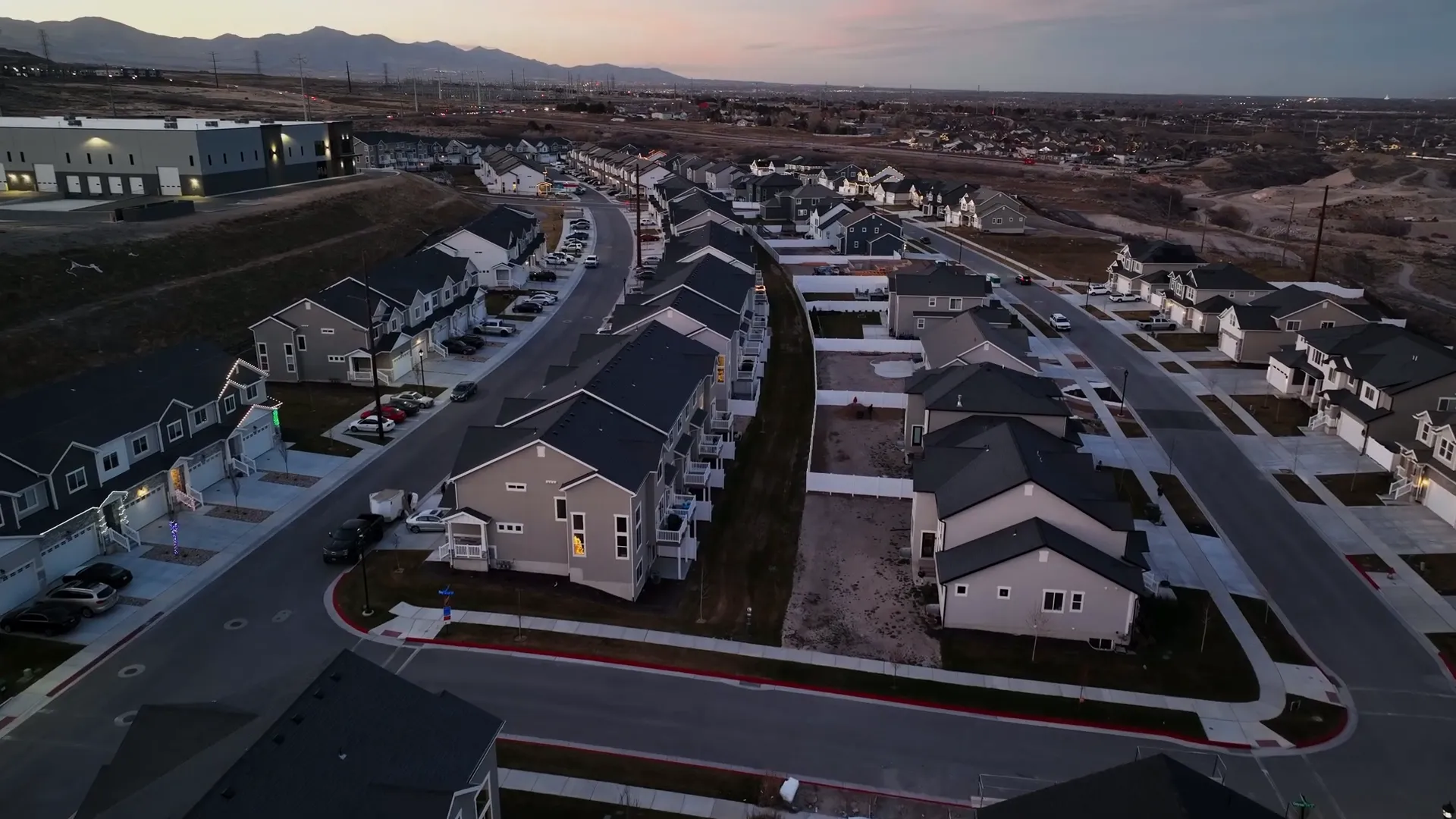
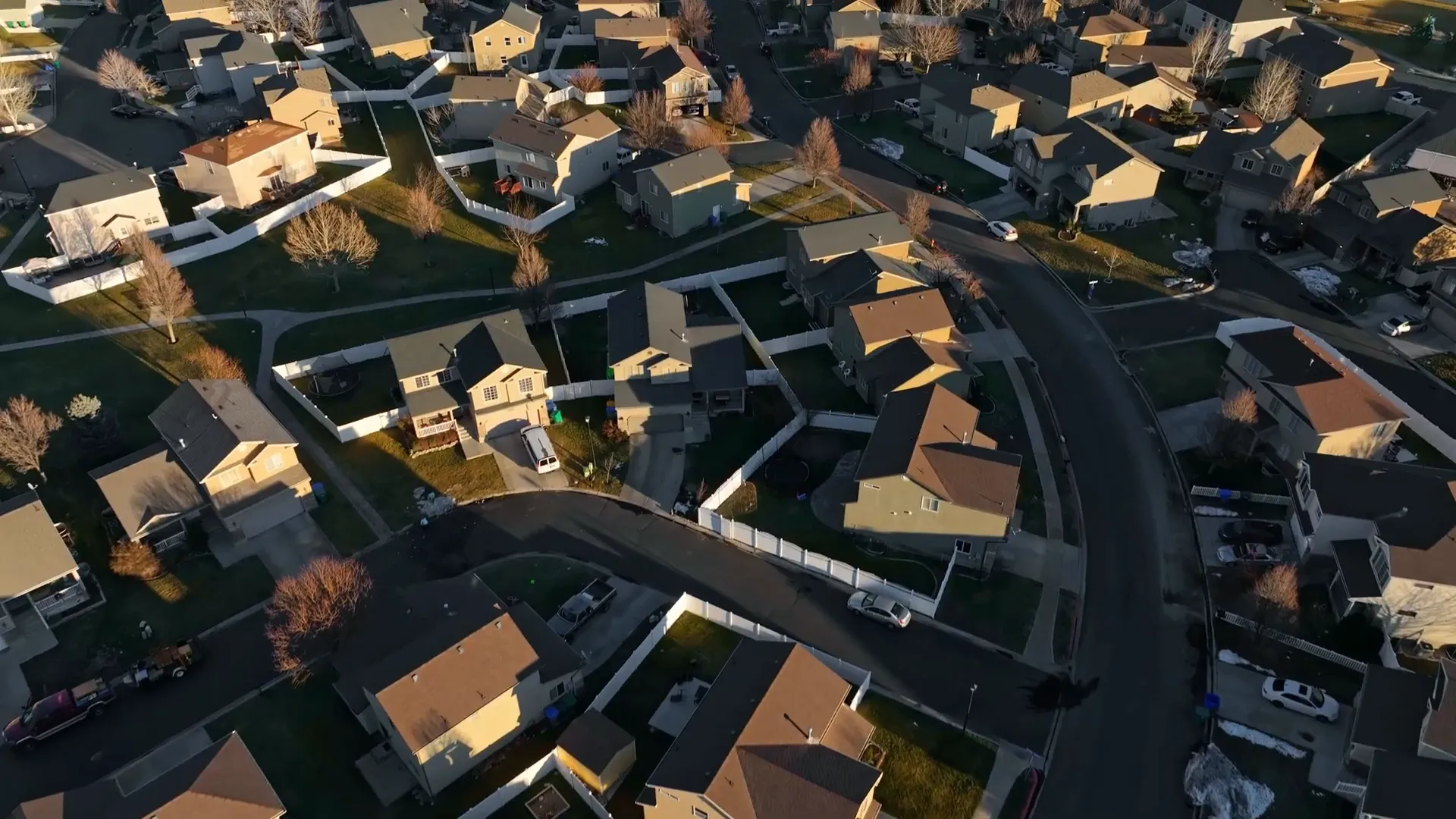
The housing market in Salt Lake City is expected to experience significant changes as a direct result of the 2034 Winter Olympics. With an influx of visitors, increased demand for short-term rentals, and a growing population, both rental and home prices are projected to rise sharply. This trend could create challenges for current residents, particularly those seeking affordable housing options.
As more people move to Salt Lake City, the competition for housing will intensify, potentially leading to bidding wars and inflated prices. It’s crucial for prospective buyers to stay informed about market trends and consider their options carefully. For those looking to invest, understanding the dynamics of short-term rentals and the impact of tourism is essential for making informed decisions.
In this evolving landscape, buyers should keep an eye on new developments and which neighborhoods will benefit most from Olympic infrastructure. Areas near planned 2034 venues (Power District, the future Olympic Village concept, the Olympic Park in Park City) and TRAX expansions are likely to see the steepest appreciation. For context on neighborhood-level tradeoffs, see our SLC neighborhoods guide and our cost-of-living breakdown.
Salt Lake City's Growing Skyline
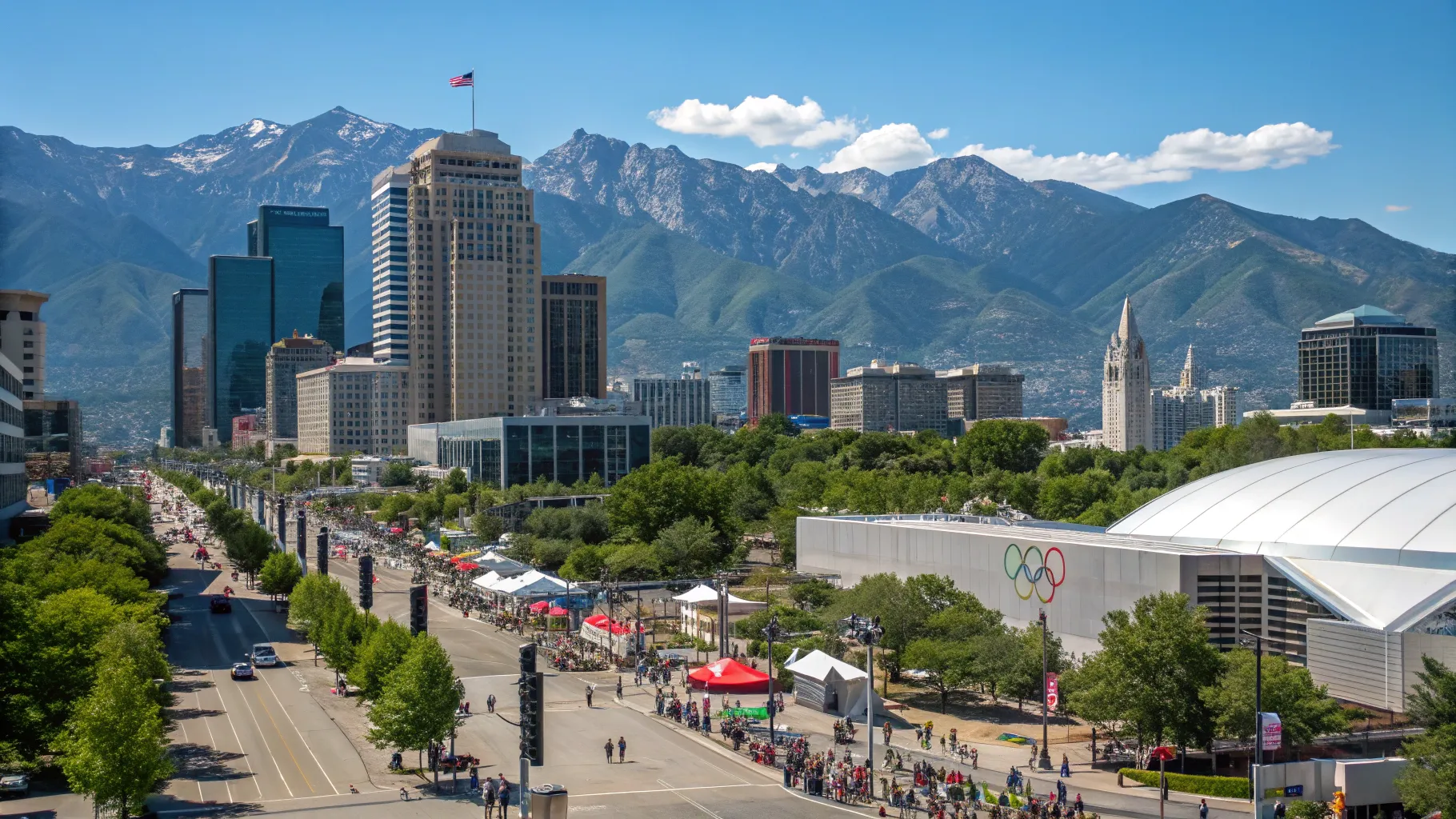
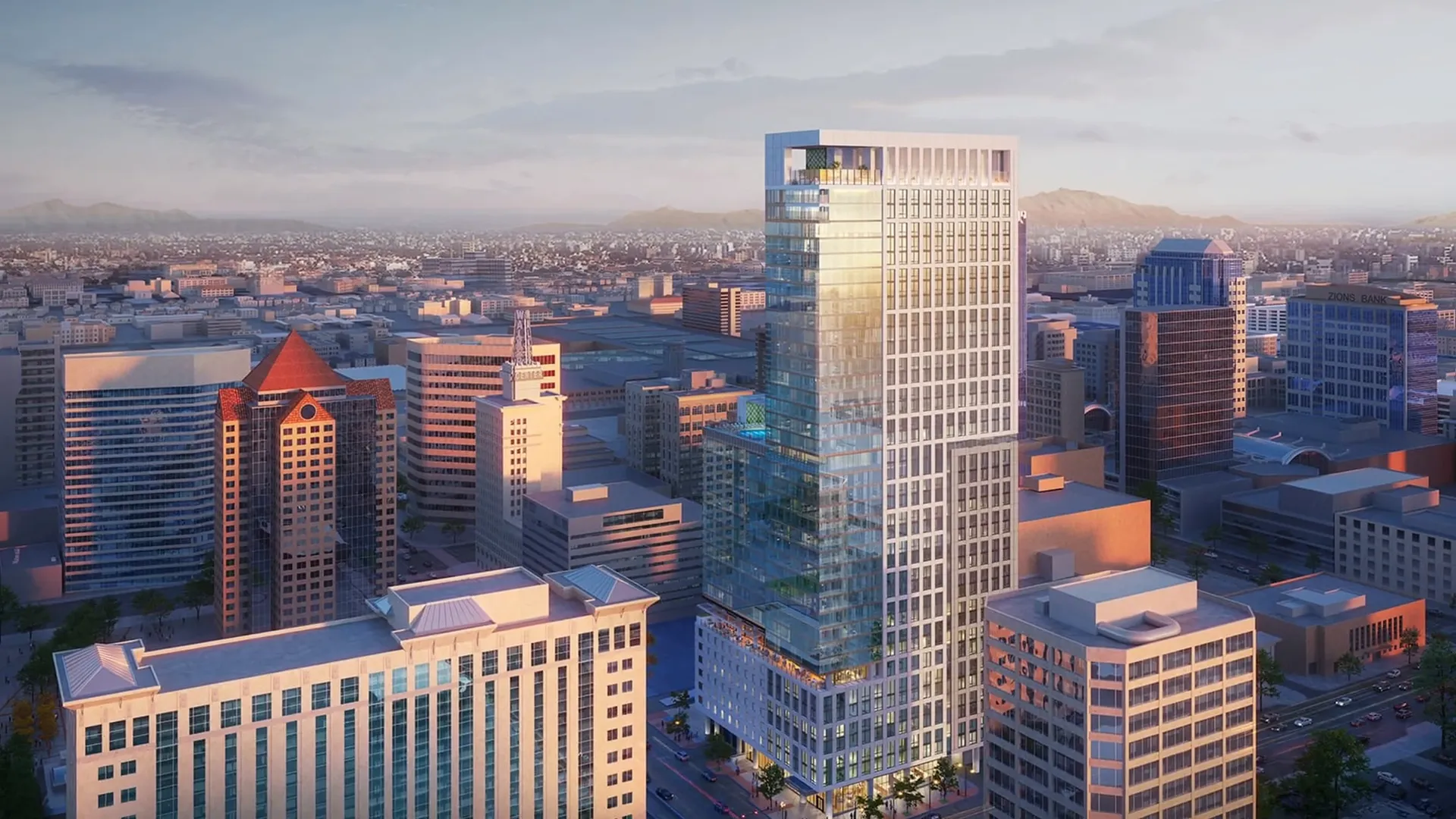
Salt Lake City is witnessing a remarkable transformation in its skyline, a change that reflects the city's ambitions and growth trajectory. Over the past few years, the skyline has become increasingly dynamic, with the completion of new high-rise buildings, including the recently finished Astra Tower, which now stands as the tallest building in Utah. This architectural marvel is far more than just a visual landmark; it symbolizes the city's readiness to embrace its future.
In addition to the Astra Tower, the Worthington, a 31-story building, has also joined the ranks of Salt Lake City's impressive structures. These developments are not isolated events; they are part of a larger trend that is reshaping the city's urban landscape. With a mix of residential, commercial, and mixed-use spaces, Salt Lake City is repositioning its downtown core as a residential + commercial mixed-use destination — the population living downtown has roughly doubled since 2010.
New Developments and Infrastructure
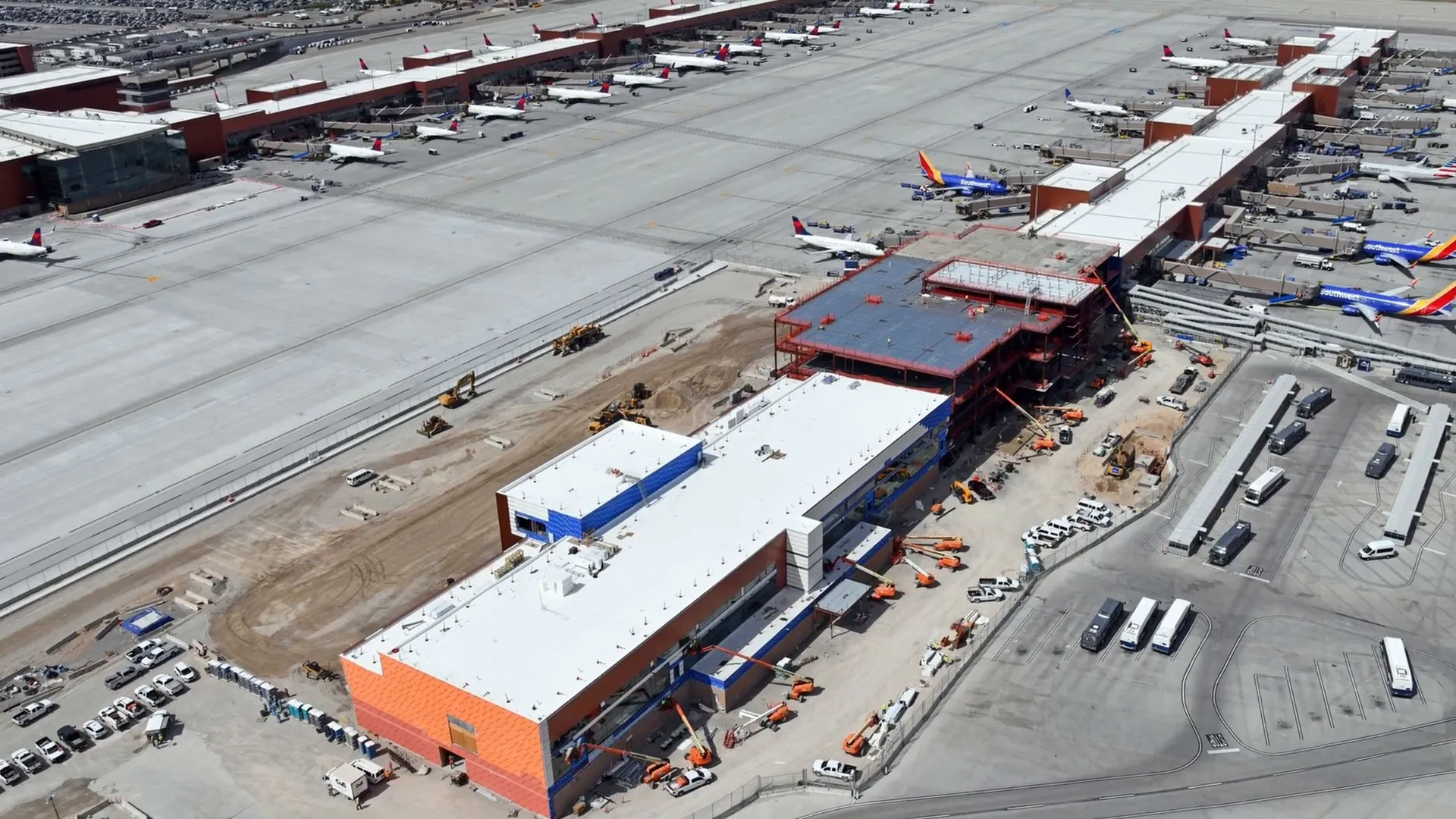
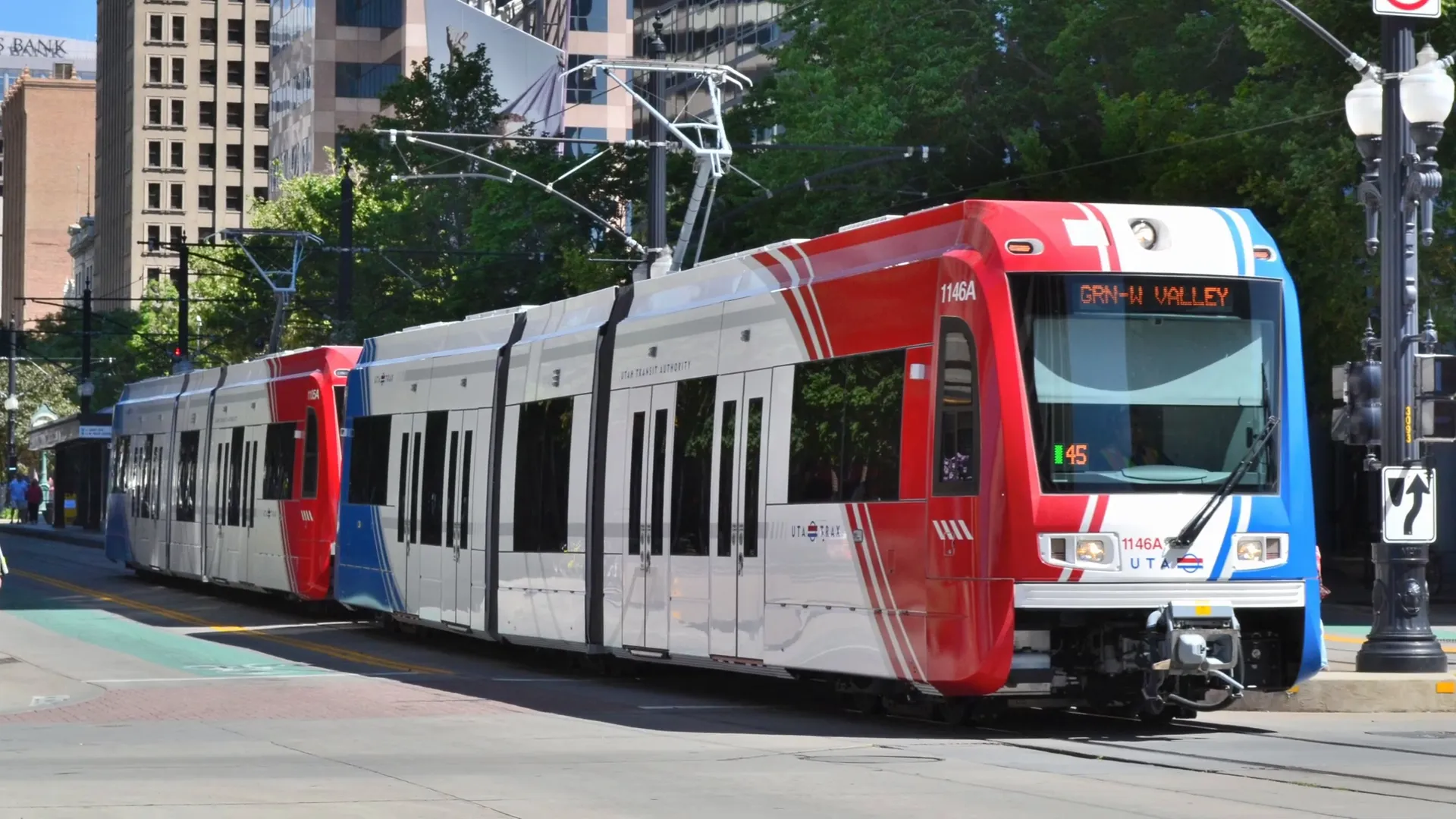
The growth in Salt Lake City's skyline is matched by a significant expansion in infrastructure. The city is currently investing heavily in public transportation systems, including the expansion of the TRAX light rail network. This development is crucial as it enhances connectivity and accessibility, making it easier for residents to navigate the city and its surroundings.
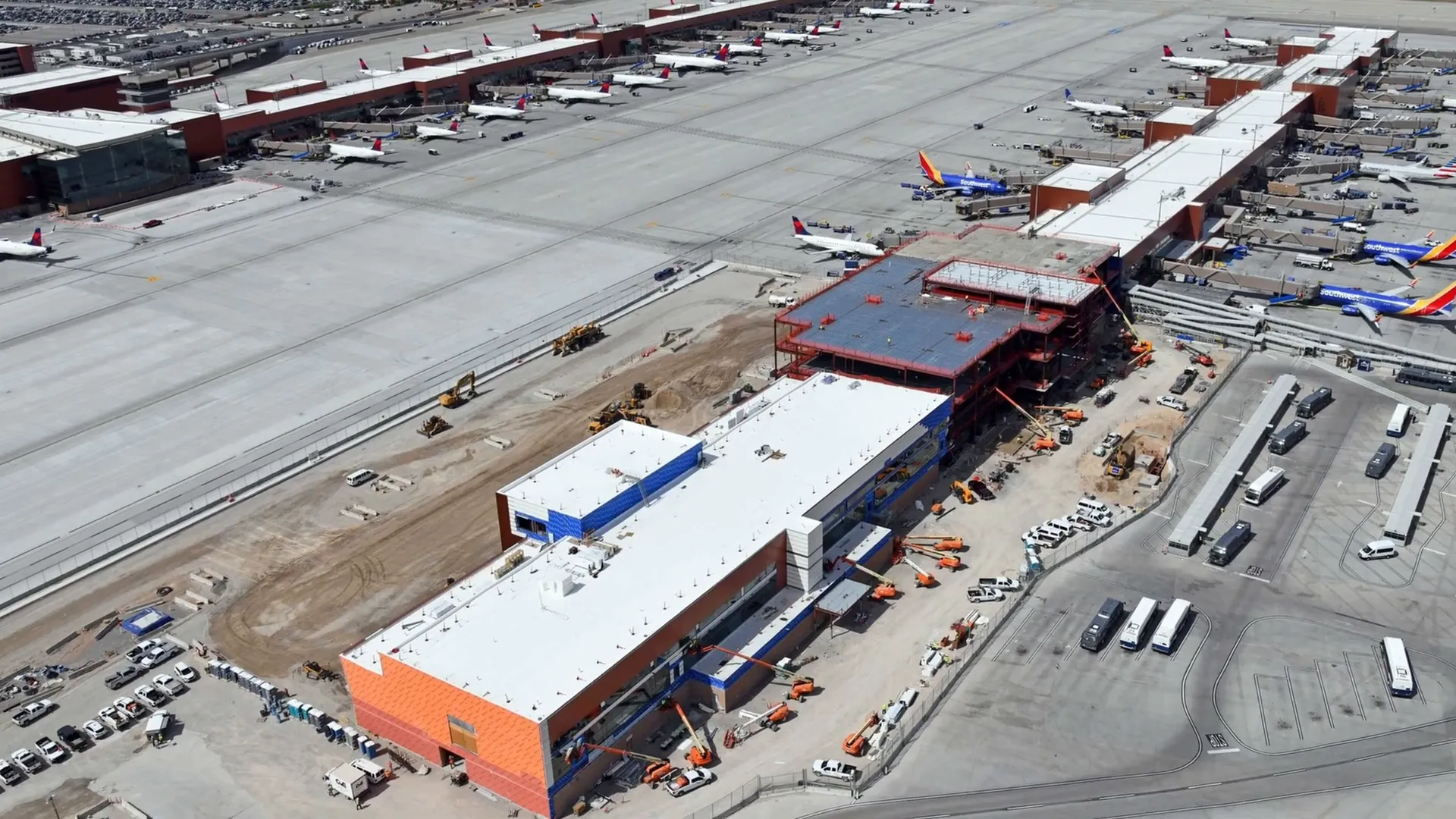
Moreover, the new international airport is set to accommodate a larger number of travelers, with increased flight options and international routes. This will not only support tourism during events like the 2034 Winter Olympics but will also bolster the local economy by attracting more businesses and visitors year-round. As the city prepares for an influx of tourists and new residents, the infrastructure developments will play a critical role in sustaining growth and improving the quality of life for all its inhabitants.
Population Growth Trends
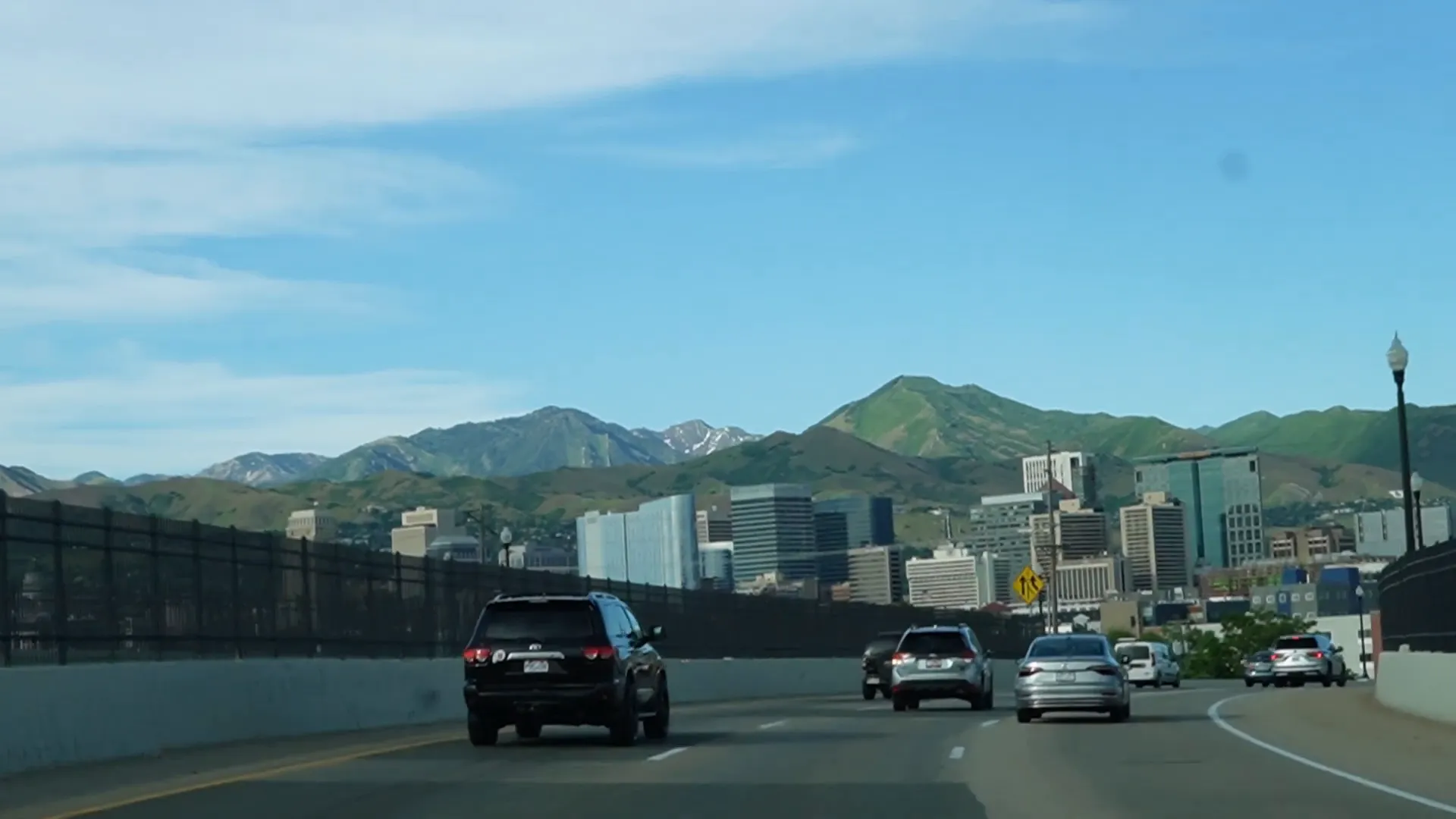
Utah has been experiencing unprecedented population growth, and Salt Lake City is at the forefront of this trend. With the highest growth rate in the nation since 2010, the state is projected to continue this momentum over the next decade. Factors contributing to this surge include higher birth rates and an influx of individuals relocating from other states, particularly California. This demographic shift is reshaping the community and driving demand for housing and services.
As the population swells, the housing market is responding with new developments aimed at accommodating both current residents and newcomers. However, this growth also raises concerns about affordability and the potential for increased congestion. Addressing these challenges will be essential for ensuring that Salt Lake City remains an attractive place to live, work, and play.
Business Relocation to Utah
Not only is the population growing, but there is also a significant trend of businesses relocating to Utah. Salt Lake City is becoming a prime destination for companies in various industries, including technology, finance, and healthcare. This influx of businesses is driven by Utah's favorable business climate, which includes lower taxes, a skilled workforce, and a high quality of life.
As more companies establish their headquarters in the state, the demand for commercial real estate is on the rise. This trend not only creates job opportunities but also enhances the local economy. As Salt Lake City positions itself as a major player in the national economy, the ripple effects will be felt throughout the housing market and beyond.
Salt Lake City as a Future Major City
As Salt Lake City continues to evolve, it is poised to become a major urban center, comparable to cities like Denver and Austin. However, the growth must be managed carefully to maintain the unique balance of urban living and outdoor recreation that Utah is known for. The city’s leaders and residents alike are aware of the challenges ahead, particularly regarding infrastructure, housing affordability, and environmental sustainability.
The future of Salt Lake City is bright, with many exciting developments on the horizon. As the city gears up for the 2034 Winter Olympics, the investments made today will lay the groundwork for a thriving metropolis that attracts residents and visitors from around the world. The next decade will be crucial in determining how Salt Lake City navigates this growth and how it positions itself as a leader in the western United States.
Transportation Infrastructure Developments
The transportation landscape in Salt Lake City is set to undergo significant transformations as we approach the 2034 Winter Olympics. With the city’s rapid growth and the anticipated influx of visitors, there is a pressing need for enhanced transportation infrastructure. The expansion of the TRAX light rail system is already underway, with extensions planned to better connect residents to key areas, including the airport and Olympic venues. This development not only aims to ease congestion but also encourages the use of public transport, promoting a more sustainable urban environment.
Improvements at the Salt Lake City International Airport are also in the works, with new gates and increased international flights expected to accommodate the surge in travelers. These enhancements will ensure that the airport can effectively handle the expected influx of visitors during the Olympics and beyond. Moreover, ongoing freeway expansions and the construction of new corridors will facilitate better connectivity across the region. The West Davis Corridor and Mountain View Corridor are prime examples of projects designed to alleviate traffic and enhance access to various neighborhoods.
The Pursuit of a Major League Baseball Team
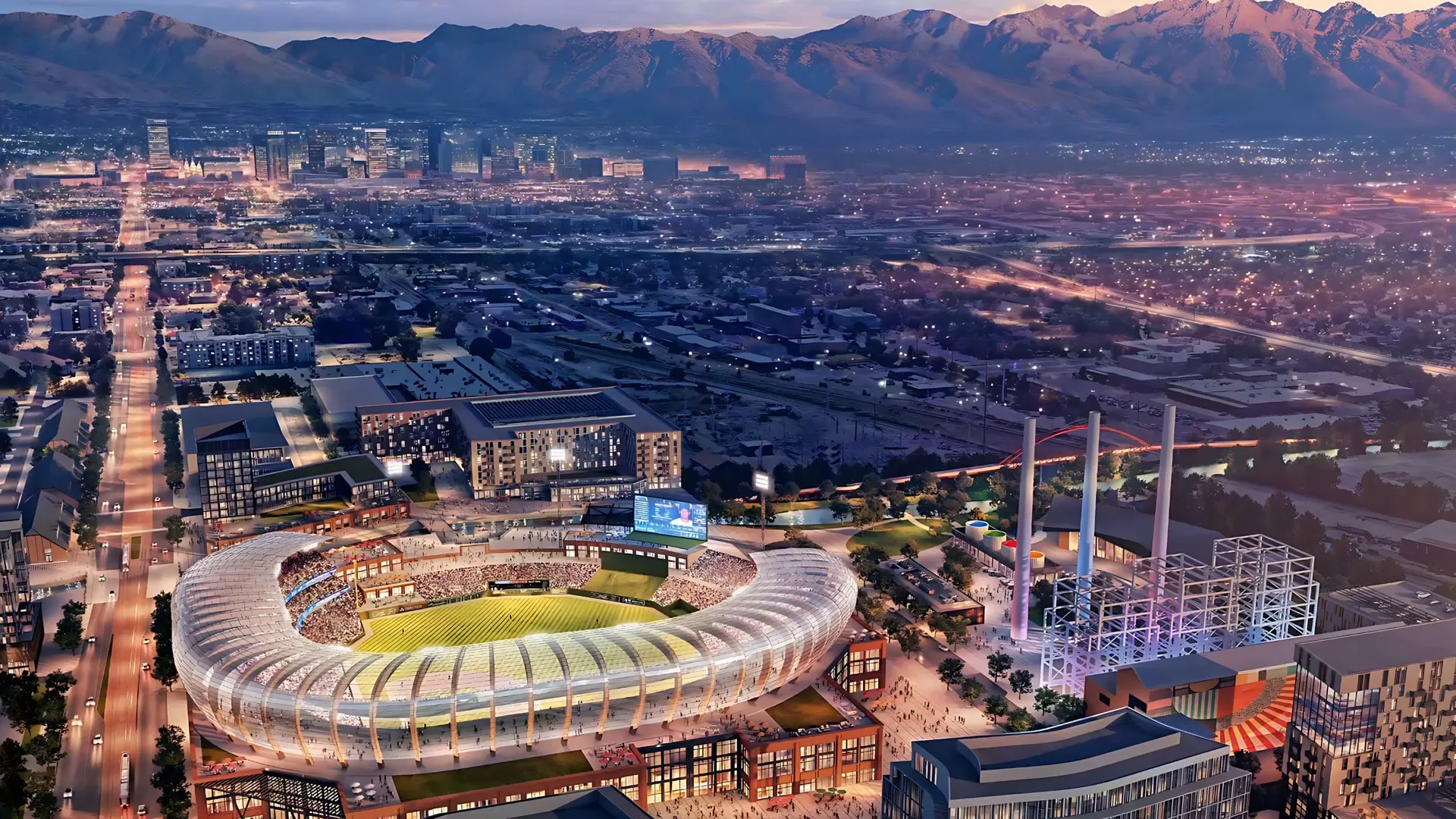
Excitement is brewing in Salt Lake City as the pursuit of a Major League Baseball (MLB) team gains momentum. The recent legislative support for funding through hotel taxes signifies the city’s commitment to developing a new stadium in the Power District. This area, which is ripe for redevelopment, is poised to transform into a vibrant entertainment hub, enhancing the city’s appeal as a sports destination. The proposed stadium will not only house the baseball team but will also create a dynamic atmosphere, attracting visitors year-round.
As Salt Lake City integrates another major sports franchise into its landscape, it positions itself as a significant player on the national sports scene. With the addition of the NHL's Utah Mammoth (formerly Utah Hockey Club, rebranded May 2025), the city is well on its way to becoming a multifaceted sports hub. The successful integration of these teams could lead to substantial economic benefits, including increased tourism and job creation. The combination of sports and entertainment will likely elevate Salt Lake City’s profile, attracting even more residents and businesses to the area.
Challenges of Becoming a Sports Hub
While the prospect of becoming a sports hub is thrilling, it comes with its own set of challenges. One of the primary concerns is whether Salt Lake City can sustain the financial commitments required to support multiple professional teams. The funding for the new stadium and associated infrastructure projects must be carefully managed to avoid long-term financial strain on the city. Moreover, there are questions about whether there will be enough corporate sponsorship and fan engagement to fill the seats consistently.
Additionally, with the increased focus on sports, the city must ensure that it maintains its unique character and quality of life. Balancing the excitement of new developments with the needs of current residents is crucial to prevent a decline in community engagement and livability. As Salt Lake City embraces its role as a sports destination, it must also prioritize affordable housing and transportation solutions to ensure that growth benefits all residents.
Social and Legal Changes Impacting Utah
As Utah moves forward in its development, significant social and legal changes are anticipated to shape the state’s future. Legislative shifts regarding public employee unions and labor laws are likely to affect various sectors, including education and public safety. These changes may lead to increased discussions about workers' rights and compensation, impacting the overall quality of life in the region.
Another pressing issue is the affordable housing crisis, which remains a significant concern for many residents. With continued population growth and rising housing costs, there is an urgent need for lawmakers to address the affordability of housing in Utah. Ensuring that future generations can afford to live in the state is crucial for maintaining a vibrant and diverse community. Initiatives aimed at increasing the availability of affordable housing will be essential in mitigating the challenges posed by rapid urban development.
The Affordable Housing Crisis
Utah’s affordable housing crisis poses one of the most significant challenges as the state continues to grow. With the influx of new residents and rising home prices, many families are finding it increasingly difficult to secure affordable housing. This situation is exacerbated by the limited inventory of homes available on the market, driving up competition and prices.
Addressing the affordable housing issue will require collaborative efforts from state and local governments, developers, and community organizations. Innovative strategies, such as incentivizing the construction of affordable housing units and revising zoning laws, can help create more opportunities for residents. Additionally, exploring alternative housing models, such as co-housing or tiny home communities, may provide viable solutions to the housing shortage.
The stakes are high. The ability of future generations to live and afford a home in Utah hinges on the supply decisions made today — whether that's upzoning for density near transit, accelerating ADU permits, or funding subsidized projects in the urban core. Watch the legislative session each January for the bills that will shape the next decade of growth.
Thinking about buying in Salt Lake City before 2034?
If you're reading this guide because you're looking to invest or relocate ahead of the Olympics, three next steps worth taking:
- Salt Lake City market stats — current median sale, days on market, and sale-to-list ratio, refreshed monthly. Track the trend before the 2034 surge.
- Get a free home valuation on a property you own (or are considering) so you have a baseline.
- Reach out to Best Utah Real Estate — our agents can flag the specific Salt Lake County submarkets best positioned for the next decade of Olympic + tech-driven growth.
Posted by Kristopher Larson
Frequently asked questions
When are the Winter Olympics returning to Salt Lake City?
How will the 2034 Olympics affect Salt Lake City home prices?
What major construction projects are happening in Salt Lake City right now?
Is Salt Lake City getting an MLB team?
Why is Salt Lake City growing so fast?
Which Salt Lake City neighborhoods will benefit most from Olympic growth?
Salt Lake City, Utah housing market
A quick read on what homes are doing in Salt Lake City right now — pulled live from the MLS.
Keep reading
More from the blog
Moving to Salt Lake City: How to Choose the Right Utah Area
Living in Salt Lake City, Utah: What to Know Before Moving
Why Yard Sign Size Matters For Your Salt Lake City Listing