
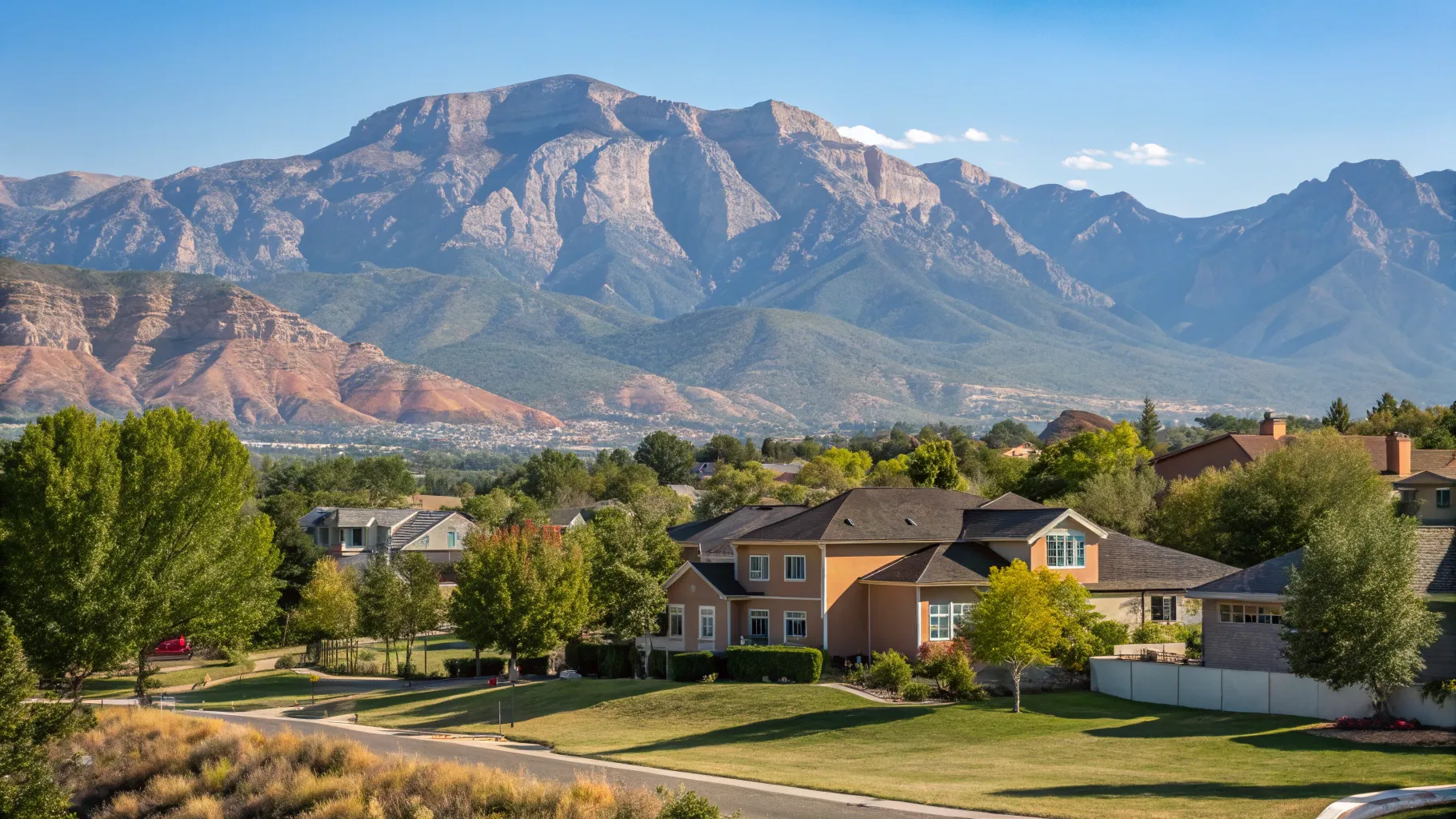
Utah Home Buying Steps Nobody Tells You About!
A clear walkthrough of buying a home in Utah - the 5 steps from preapproval to closing, plus the local things nobody tells you about: radon, sewer scopes, double-layer roofs, HOAs, and key deadlines.
Buying a home in Utah moves fast — the median Salt Lake City home sells for about $597,075 and well-priced listings still go quickly. Whether you are relocating for work, family, or the outdoors, the process has a few Utah-specific wrinkles that catch out-of-state buyers off guard. This guide walks the five core steps, then covers the things nobody tells you — radon, sewer scopes, double-layer roofs, and more. (Still deciding on timing? See whether to buy now or wait.)
The Utah home-buying process: 5 steps
Step 1: Get preapproved
It is not glamorous, but preapproval is where the journey starts. It tells you exactly what you can afford and makes your offer credible — in a competitive market, a preapproval letter is often the difference between winning a home and losing it to delays. Talk to a local lender who knows the market, and if you are putting less down, look at an FHA loan. First-time buyer? Start with our 10 tips for first-time buyers in Utah.
Step 2: Shop for homes
With preapproval in hand, the fun begins. Online browsing is useful, but nothing replaces seeing homes in person — priorities shift fast once you are walking through them (suddenly you need that extra bedroom or a different neighborhood). Timelines vary wildly: some buyers close in days, others search for months. Out-of-state? Virtual tours let you scout remotely. Browse Salt Lake City homes for sale and check the live SLC market stats so you know how competitive things are before you offer.
Step 3: Make an offer
Most Utah purchases use the standard Utah Real Estate Purchase Contract (REPC); some new-construction builders use their own agreement. A strong offer balances price, contingencies, and timelines — in a multiple-offer situation, terms (not just price) often win the deal.
Step 4: Under contract
Once your offer is accepted, the clock starts. The under-contract period breaks into three phases, each with deadlines you cannot miss:
- Due diligence: Your window to inspect the home, review HOA rules, and verify property taxes. This is when you decide you are comfortable with the property — you can still walk away (and keep your earnest money) before the deadline.
- Financing & appraisal: After this deadline, earnest money typically becomes nonrefundable. The lender orders the appraisal and works the loan behind the scenes — stay on top of every document request.
- Final preparations: You wait for the lender's "clear to close," and the title company assembles the paperwork for signing.
Step 5: Closing
Closing usually happens at a title company, where you sign the paperwork. One detail that trips buyers up: settlement (signing) is not the same as closing (when the transaction is funded and recorded with the county). Sign too late on a Friday and you may not get keys until the next business day — plan your move-in accordingly.
What nobody tells you: Utah-specific things to check
1. Radon
Radon — a colorless, odorless gas — is a real concern in Utah, where roughly 95% of homes have basements. Long-term exposure is the second-leading cause of lung cancer, so a radon test during due diligence is well worth it. Mitigation systems are inexpensive if levels come back high.
2. Sewer line condition
Older sewer lines — common in established areas of Salt Lake City — can hide blockages or tree-root intrusion that cost thousands later. A sewer scope (a camera run down the line) during due diligence catches it early, and low-cost sewer-line insurance is available for ongoing peace of mind.
3. Roof condition
Utah's snowy winters and hot summers are hard on roofs. Watch for homes where a seller added a second layer of shingles over the old one to extend its life — it is legal, but it can mean a bigger replacement bill sooner. Have the roof assessed carefully during inspection.
4. HOAs
HOAs are common in Utah, especially in newer developments and master-planned communities like Daybreak. Some buyers love the amenities and upkeep; others want nothing to do with the rules and fees. Read the CC&Rs and budget for dues before you commit — oversight ranges from heavy-handed to barely-there.
5. Home warranties
Separate from required homeowners insurance, a home warranty is optional coverage for appliances and systems. It can be worth it on an older home, but read what is actually covered — and try to negotiate the seller into paying for the first year in your offer.
The bottom line
Utah's buying process is straightforward once you know the steps and the local landmines. Get preapproved, shop in person, write a strong REPC offer, use due diligence wisely (radon, sewer, roof), and watch your deadlines through closing. Curious what your current home is worth before you buy? Get a free home valuation, browse Salt Lake City listings, or reach out — we will walk you through every step.
Posted by Kristopher Larson
Frequently asked questions
How long does it take to close on a home in Utah?
Most Utah closings run about 30 to 45 days from accepted offer to keys, depending on financing, inspections, and negotiations. Cash purchases can close much faster.
What is the due-diligence period in a Utah real estate contract?
Under the standard Utah Real Estate Purchase Contract (REPC), the due-diligence period is your window after acceptance to inspect the home, review HOA documents, and verify taxes. You can cancel and keep your earnest money before the deadline; after it passes, your earnest money is generally at risk.
Should I test for radon when buying a home in Utah?
Yes. Roughly 95% of Utah homes have basements, and radon is the second-leading cause of lung cancer. A radon test during due diligence is inexpensive, and mitigation systems are affordable if levels come back elevated.
Are multiple offers common in Utah?
In competitive markets like Salt Lake City, popular and well-priced homes still draw multiple offers. Get preapproved first and lean on strong terms — not just price — to win.
Are there first-time homebuyer programs in Utah?
Yes. Utah offers down-payment and closing-cost assistance programs (including through the Utah Housing Corporation) for eligible first-time buyers. Ask a local lender which programs you qualify for, and read our first-time buyer tips.
What is the difference between settlement and closing in Utah?
Settlement is when you sign the paperwork; closing is when the transaction is funded and officially recorded with the county. You typically receive keys at closing, which is why signing late on a Friday can delay move-in to the next business day.
Keep reading
More from the blog
Timber Cladding vs Composite Cladding: Which Is Right for You?
How to Find the Best Cooling Comforter for Your Sleep
Signs Your Home May Have Termite Damage